Friday, April 18, 2025

Shepherd Dogs: From Flock Guardians to Family Companions

Few canine categories are as versatile, intelligent, and devoted as the shepherd dogs. Originally bred to guard and guide livestock across open pastures, these breeds today excel in roles as varied as police work, therapy, competitive sports—and, of course, loyal family pets. In this post, we’ll explore their rich history, spotlight the most popular shepherd breeds and what makes each unique, delve into the training and work that channel their powerful instincts, and cover the care and lifestyle considerations essential to keeping these active, bright dogs happy and healthy.


Origins & Traditional Roles

Shepherd dogs trace their lineage back thousands of years to the earliest pastoral societies. With no modern fencing, shepherds relied on these keen‑sensed, courageous dogs to:

  • Protect flocks from wolves, bears, and rustlers by patrolling grazing lands and alerting shepherds to danger.

  • Herd sheep, goats, or cattle, using eye contact and body posture to guide whole mobs across mountain passes or into pens.

  • Endure harsh climates—thick double coats in cold regions or shorter, weather‑resistant fur where heat prevailed.

  • Form Bonds with handlers and livestock alike, developing an almost prescient understanding of a flock’s movements and needs.

Over centuries, regional breeders honed distinct lines for terrain, climate, and livestock type—from the rugged Belgian Ardennes to Australia’s wide‑open stations—creating the array of shepherd breeds we know today.

Key Breeds & Their Signature Traits

 Although “shepherd” often calls to mind one iconic image, these breeds vary widely in size, coat, and temperament. Here are five staples of the shepherd world:

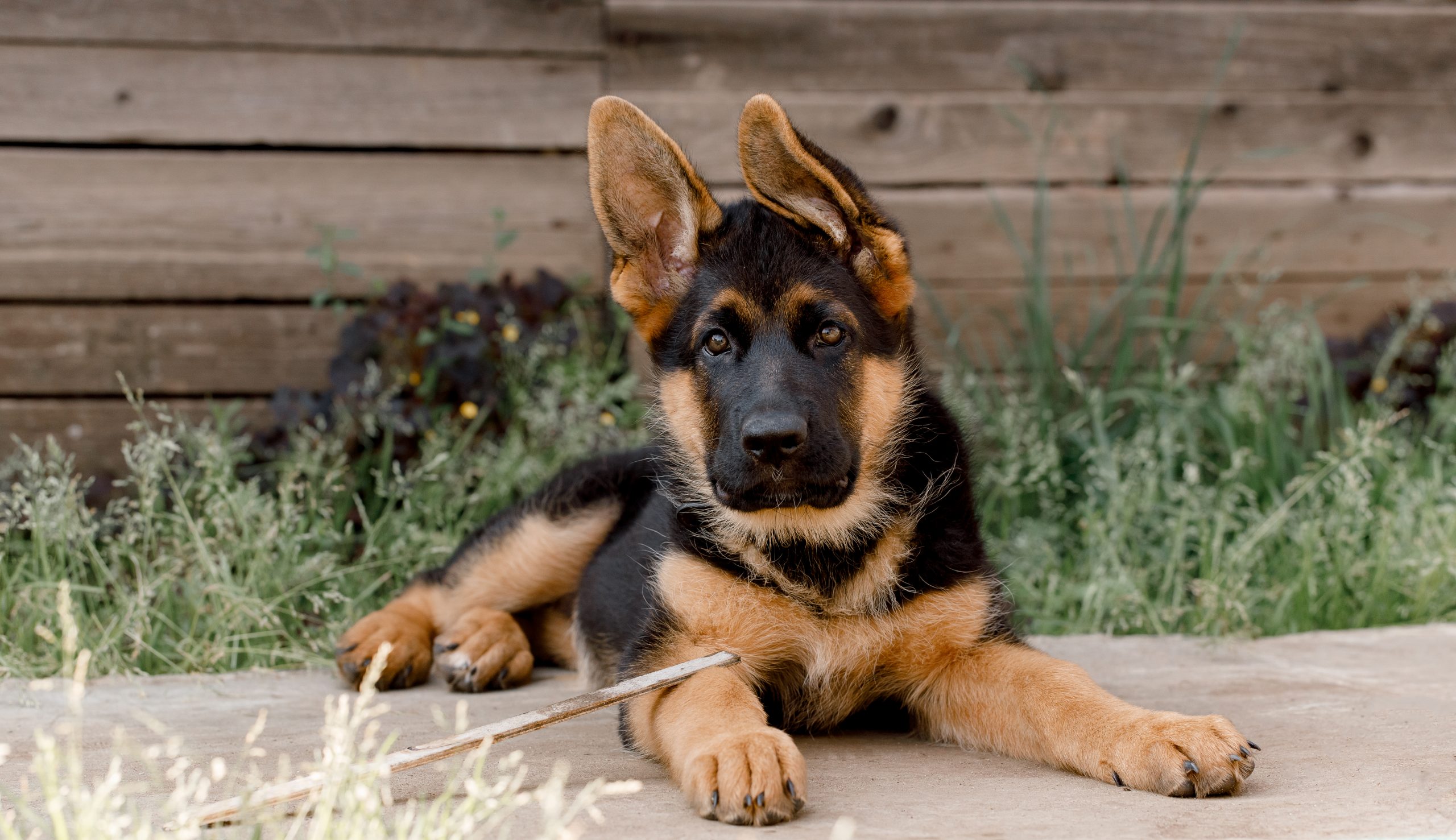
German Shepherd

  • Appearance & Size: 22–26 inches at the shoulder, strong bone structure, dense double coat typically in black‑and‑tan.

  • Temperament: Exceptionally trainable, loyal to family, alert and protective—ideal for guarding and police work.

  • Aptitudes: Police/military service, search & rescue, disability assistance, and competitive obedience/Schutzhund.

Border Collie

  • Appearance & Size: 18–22 inches, lean build, often black‑and‑white coat with feathering.

  • Temperament: Laser‑focused intelligence, high energy, thrives on mental puzzles.

  • Aptitudes: Elite herding, agility trials, flyball, and advanced trick training—regarded by many as the world’s smartest dog.

Belgian Malinois

  • Appearance & Size: 22–26 inches, short fawn coat with black mask.

  • Temperament: Driven work ethic, intense focus, fearless in the face of challenge.

  • Aptitudes: Military and police K‑9 units, explosive detection, personal protection, agility, and search work.

Australian Shepherd

  • Appearance & Size: 18–23 inches, medium build, merle or solid coats often with copper points.

  • Temperament: Outgoing, keen herding instincts, enjoys companionship and activity.

  • Aptitudes: Herding on ranches, competitive dog sports (agility, herding trials), and loyal family pets.

Shetland Sheepdog (Sheltie)

  • Appearance & Size: 13–16 inches, long double coat, often sable or blue merle.

  • Temperament: Gentle, highly intelligent, vocal—excellent with children.

  • Aptitudes: Herding smaller stock, obedience, therapy work, and family life in smaller homes.

Training & Harnessing Their Work Ethic

 Shepherd dogs excel when given a clear purpose and the chance to channel their instincts. Effective training strategies include:

  1. Early Socialization: Introduce puppies to varied environments, people, and other animals between 8–16 weeks to build confidence and reduce fearfulness.

  2. Positive Reinforcement: Use food or toy rewards to shape behaviors—these breeds respond best to games, praise, and consistent feedback rather than harsh corrections.

  3. Mental Enrichment: Herding trials, scent work, puzzle toys, and advanced obedience keep their minds sharp and mitigate boredom‑driven behaviors (digging, excessive barking).

  4. Structured Workouts: Daily sessions—whether formal herding, agility courses, or scent trails—should match each breed’s energy level (Border Collies may need two hours of intense activity; Shelties thrive on shorter, regular sessions).

  5. Advanced Disciplines: For working lines (Malinois, GSD), consider Schutzhund or French Ring for bite and protection work; for collies and Aussies, herding certifications reaffirm their traditional calling.

Care, Health & Lifestyle Considerations

To thrive, shepherd breeds need attention to:

  • Exercise Requirements: Most adult shepherds need 60–120 minutes of vigorous activity daily. Without outlets, they risk weight gain and frustration‑driven mischief.

  • Grooming Needs: Double coats shed seasonally (often heavily in spring and fall). Weekly brushing, ramping up to daily during “blow‑out” periods, keeps mats and fur under control.

  • Nutrition & Weight Management: High‑quality dog food formulated for active breeds supports muscle tone and energy levels; measure meals to prevent obesity, especially in more sedentary households.

  • Common Health Concerns:

    • Hip & Elbow Dysplasia: Regular vet screenings, maintaining healthy weight, and controlled exercise in puppyhood reduce risk.

    • Degenerative Myelopathy (GSD): A neurological condition—DNA testing and supportive care can prolong mobility.

    • Collie Eye Anomaly & MDR1 Sensitivity (Collies & Shelties): Genetic tests identify vulnerabilities to medications and eye issues.

  • Lifespan & Senior Care: Expect 10–13 years on average; transition seniors to joint‑support diets, gentler exercise, and regular vet checkups.


Shepherd dogs—whether the stately German Shepherd, the electric Border Collie, or the compact Sheltie—combine brains, loyalty, and unmatched versatility. Their history as indispensable partners to shepherds has translated into modern roles across public service, competitive sports, and family life. By understanding each breed’s unique traits, committing to early, positive training, and meeting their physical and mental needs, you’ll forge a bond as strong and enduring as the shepherd‑flock relationships of old. Ready to welcome a four‑legged “shepherd” into your own household? With the right approach, you’ll gain not just a pet, but a teammate for life.

Shepherd Dogs: From Flock Guardians to Family Companions

Few canine categories are as versatile, intelligent, and devoted as the shepherd dogs. Originally bred to guard and guide livestock across o...